Sport is all about certainty. The ball is either over the goal line or it is not. One athlete crosses the finishing line before the others, and one swimmer touches the end of the pool first. The bar’s position for a winning high jump or pole vault is higher than that for second place. Expert judges score one gymnast, skater, or synchronised swimming team the highest. The whole structure of organised sport is based on the certainty of winning.
In a similar way, certainty characterises the popular history of sport when it comes to identifying firsts. Think of Roger Bannister breaking the four-minute time for running a mile in Oxford in 1954, Geoff Hurst scoring the first hat-trick in a World Cup final at Wembley in 1966, Nadia Comaneci’s first perfect 10 in Olympic gymnastics at Montreal in 1976, and so many more. Everyone who follows a sport, from the casual fan to the dedicated enthusiast, is likely to have some mental log of the landmark firsts in their sport, ready to wheel them out in any chat, argument, or pub quiz.
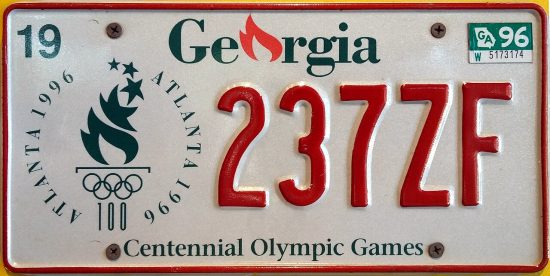
The same applies to landmark sporting events. Sports fans, players, the media, and governing bodies love to acknowledge and celebrate the inaugural events in their sport, such as the first World Cups in men’s and women’s football, the first Olympic Games, the first Ashes matches in cricket and so much more. We see these dates, and the stories about the people and places involved, appear in official websites, museums and other heritage spaces, and in media coverage of events, especially around significant anniversaries. This was very clear in the celebration of the centenary Olympic Games in Atlanta in 1996. And it has informed FIFA’s controversial planning for the 2030 men’s World Cup, where Uruguay, Argentina, and Paraguay will hold special centenary matches in recognition of South America’s contribution to the inaugural 1930 edition that Uruguay hosted, before the action crosses the Atlantic to the main co-hosts in Morocco, Portugal, and Spain. Knowing about these inaugural events helps to promote those sports’ heritage, longevity, and credibility.
This kind of celebration, however, can often be problematic. It presents a linear, simplistic history where the reality was more complicated and nuanced. The Women’s World Cup in football is a great example: where the official record says it took place in China in 1991, the women who played at the Campeonato de Fútbol Femenil in Mexico in 1971 know otherwise. On the other hand, none of the athletes and officials involved in the 9th Annual International Stoke Mandeville Games in Rome in 1960 could have called their event the first Paralympic Games. Sporting events are never born fully-formed, and the convenience of start dates in official narratives tends to gloss over this fact.
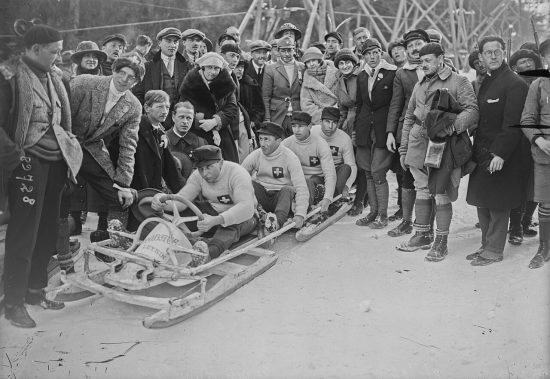
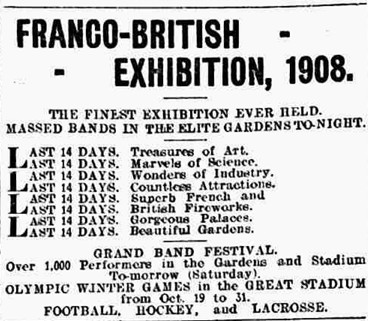
The Winter Olympic Games provide another great example of how the official version disguises a reality that was erratic, inconsistent, and spread over twenty years. Go to the IOC’s website, and you’ll see that the first Games were hosted in Chamonix in the French Alps in 1924. Dig deeper to find out that these were not officially called ‘Winter Olympics’ at the time. The French Olympic Committee, hosting that year’s Olympics in Paris in May, June, and July, added on an International Winter Sports Week across the end of January and the start of February, though some media sources informally called the event Olympic. Chamonix’s success inspired the IOC, in 1925, to launch an official Winter Olympics and retrospectively brand Chamonix as the first edition, and they held their first official event in the next Olympic year, 1928. The Swiss alpine town of St Moritz was the host. Dig even deeper, though, and you’ll find that the first event to be called a Winter Games that was held as part of an Olympics, or a Winter Olympic programme, took place not in the Alps or any other mountain site, but in central and suburban London in 1908.
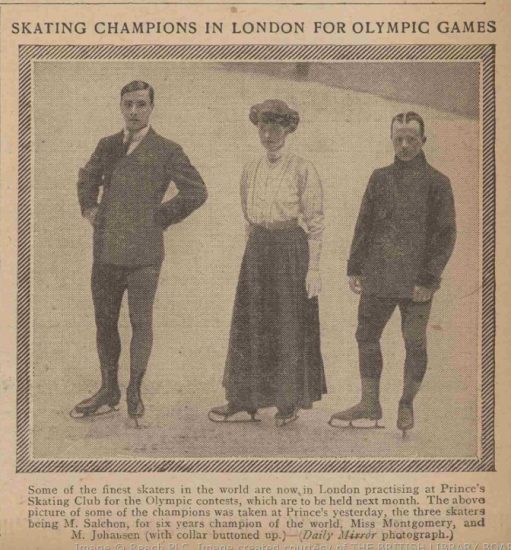
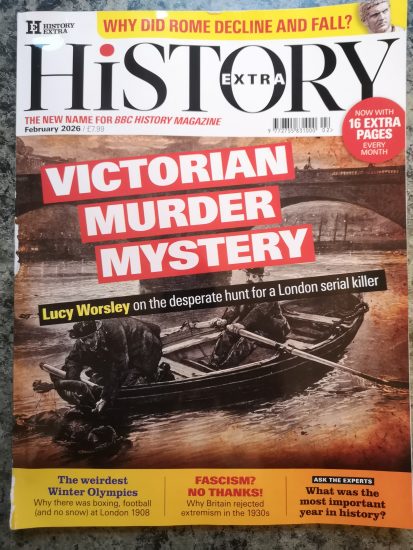
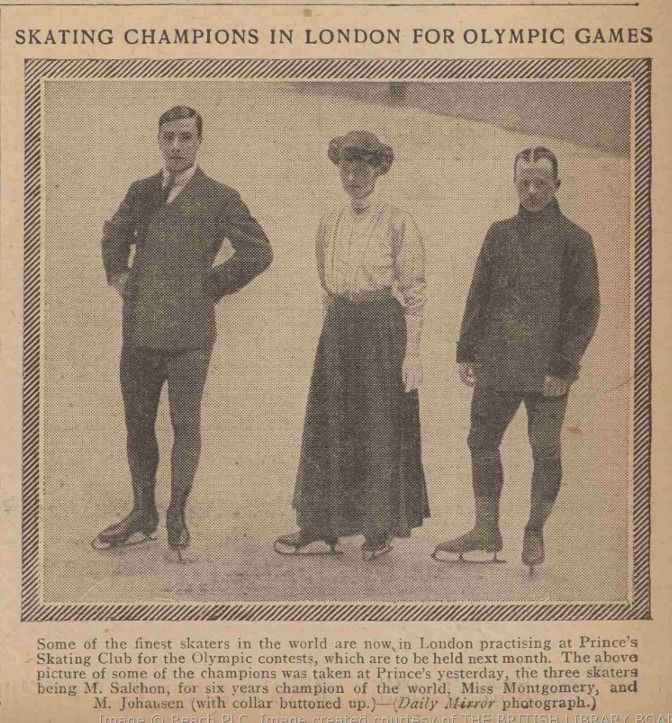
The organisers of the 1908 London Olympic Games staged this separate Winter programme in October, three months after the main summer events ended in late July, as a way of showcasing the UK’s sporting infrastructure and raising the profile of the 12-year-old Olympic project. The programme consisted of the British winter sports of football, lacrosse, hockey (that is, field hockey), and rugby union, along with boxing, which was added to the Olympic programme too late to feature in the summer. The team games all took place at the Olympic Stadium at White City, in the west London suburb of Shepherds Bush, while Northampton Institute in Clerkenwell hosted the boxing. The sport that made this event a more obvious forerunner of the Winter Olympics was ice skating, which took place at the Prince’s Skating Club in Knightsbridge. My article, ‘Off Piste Olympics’, in the February edition of BBC History Extra (magazine and online) tells the story of these first Winter Olympics. I’m grateful to the University of East London’s archive collections for their support in my research – their British Olympic Association archive is essential for all historians of the Games.
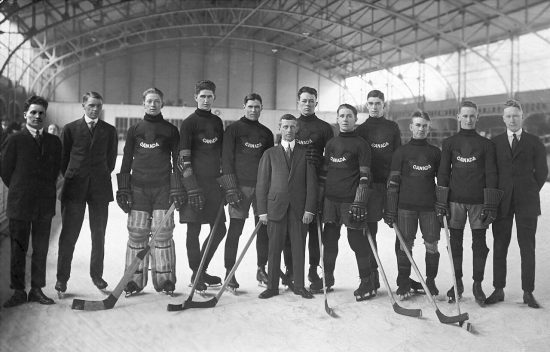
Other ice sports featured in the Summer Olympics after 1908. While the organisers of Stockholm 1912 did not engage with winter events, the next Olympics, those at Antwerp in 1920, re-introduced ice skating and added ice hockey for the first time. Then came Chamonix 1924 and St Moritz 1928, with the IOC’s retrospective branding of Chamonix as the first Winter Olympics. With this year’s Winter Olympics starting in northern Italy on 6 February, remember this distinctly non-linear history whenever commentators talk about the event’s foundation, and shift your gaze from the Alps to the streets of Edwardian London.